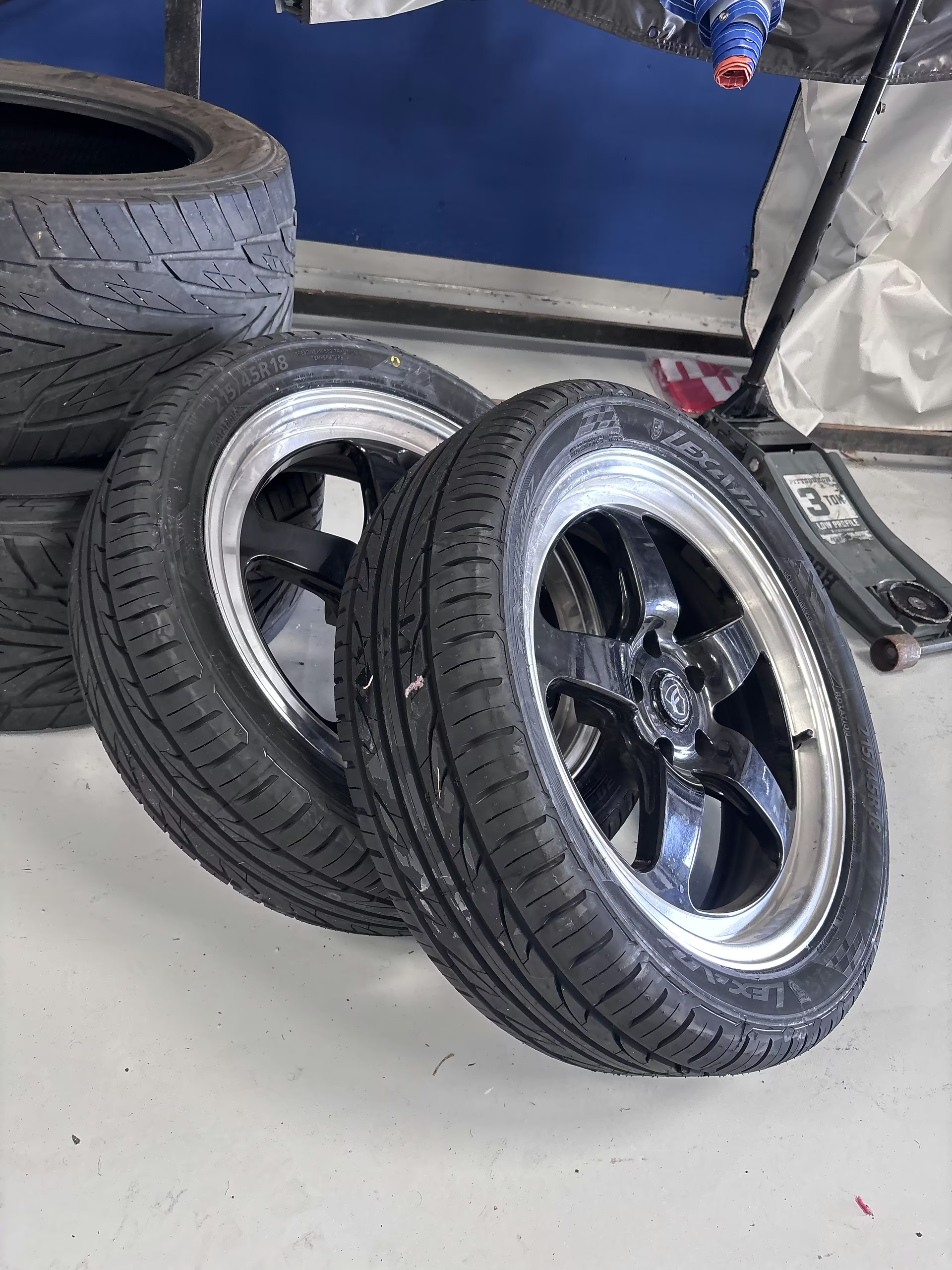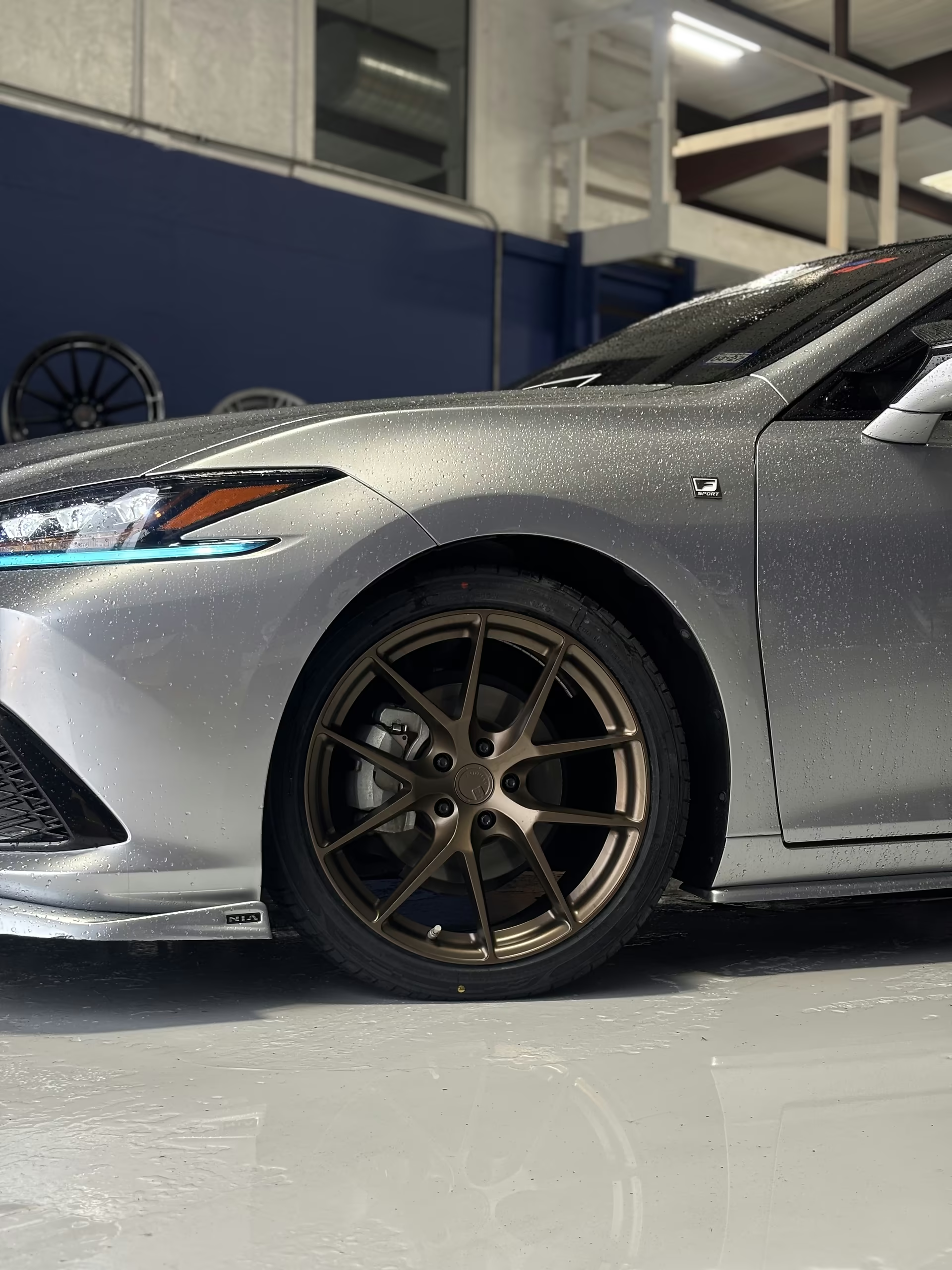
A wheel can share the correct bolt pattern and still rub, vibrate, contact a brake caliper, overload the wheel, or move the tire outside the body. Proper fitment treats the wheel, tire, suspension, brakes, and body clearance as one system.
The short version
- Select by exact vehicle configuration, not diameter and bolt pattern alone.
- Offset and width work together to place the wheel inside the available space.
- Verify center bore, hardware, brake clearance, and wheel load capacity.
- Modified suspension and large brakes require physical measurements.
The five measurements that establish a safe baseline
Tire Rack's fitment guidance identifies bolt pattern, center bore, offset, width, and load capacity as core requirements. Each answers a different question, and none can substitute for the others.
- Bolt pattern: the lug count and pitch-circle diameter must match the hub.
- Center bore: the wheel must clear and center correctly on the vehicle hub.
- Offset: the mounting face controls how far inward or outward the wheel sits.
- Width: added width consumes both inner suspension clearance and outer fender clearance.
- Load capacity: every wheel must support the vehicle and its intended payload.
Why offset cannot be chosen by appearance
Lower offset usually moves the wheel outward. Higher offset usually moves it inward. The visible stance may be the goal, but the mechanical effects include tire-to-fender clearance, strut clearance, steering geometry, bearing load, and scrub radius.
Wheel width changes the result. An extra inch of width does not move in one direction only, so comparing offset numbers without comparing width is incomplete. A fitment technician calculates the inner and outer position together, then verifies the result on the actual vehicle.
A wheel sitting flush while parked does not prove it clears under steering lock, suspension compression, payload, or body roll.
Clearance is three-dimensional
Diameter and spoke shape determine whether the barrel and face clear the brake package. Hub height, caliper shape, suspension components, tie rods, and wheel weights can all become interference points. This is why a wheel that fits one trim may not fit a higher-performance trim of the same model.
The tire adds another layer. Overall diameter affects speedometer reading, gearing, and available wheel-well clearance. Section width and actual measured width can vary by tire model and approved rim width, so the tire specification must be reviewed with the wheel.
Modified vehicles need a measured plan
Lowering, lifting, wide-body work, aftermarket brakes, and alignment changes can invalidate catalog assumptions. The right process starts with the exact vehicle, current ride height, brake package, and intended tire.
After installation, torque the correct hardware to specification, verify hub centering, check for contact through steering travel, and recheck alignment when ride height or geometry changed. Document the final wheel and tire specifications for future replacement.
Sources and further reading
This guide combines shop experience with published guidance from the following organizations.