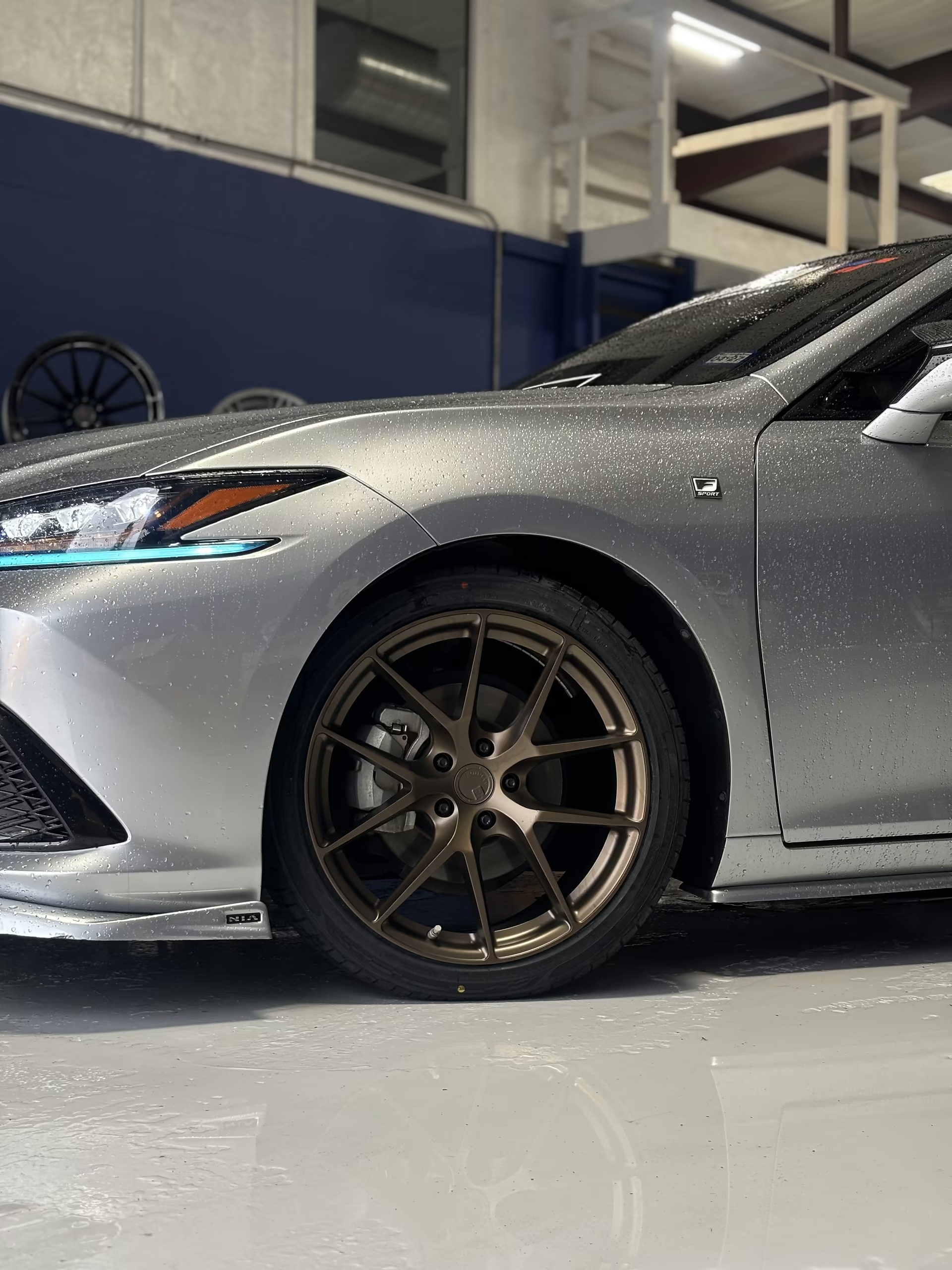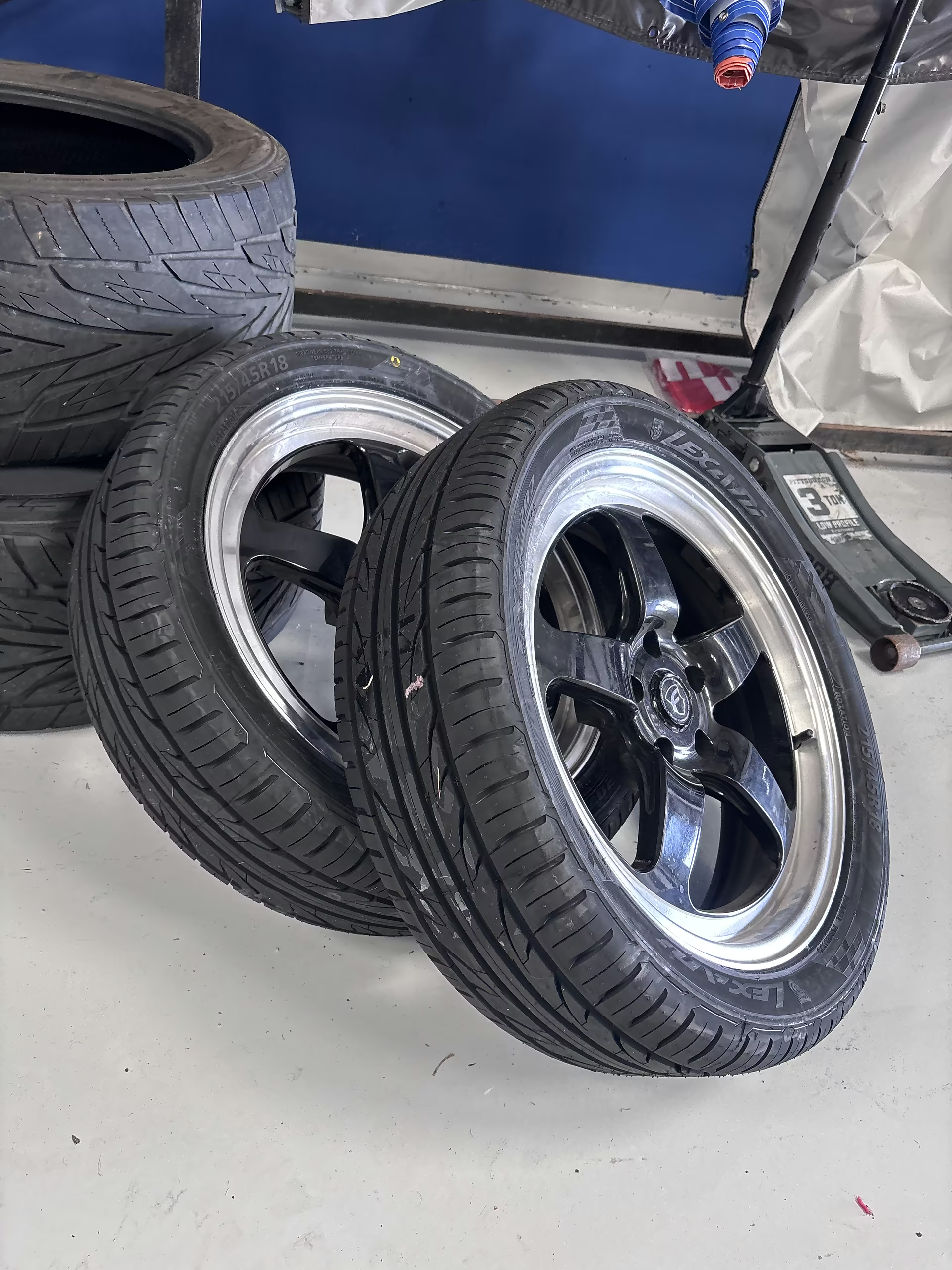
The right tire is not simply the most expensive option or the most aggressive tread. It is the tire that preserves the vehicle's required load and speed capability while matching Houston weather, your mileage, and your driving priorities.
The short version
- Use the driver-door placard or owner manual as the starting specification.
- Never reduce the required load index or speed rating without qualified guidance.
- Choose the tire category around real use, not appearance alone.
- Plan for installation, balancing, alignment, and future rotations as one decision.
Begin with the vehicle, not the tire wall
The Tire and Loading Information label on the driver-door edge lists the original tire size and recommended cold inflation pressure. NHTSA recommends using that label or the owner manual as the starting point when buying replacements.
A size such as 275/40R20 describes section width, sidewall aspect ratio, radial construction, and wheel diameter. The service description that follows adds load index and speed rating. Together, these numbers tell a technician far more than wheel diameter alone.
- Size must work with the wheel and available vehicle clearance.
- Load index must support the vehicle at the specified inflation pressure.
- Speed rating must suit the vehicle and intended use.
- Front and rear sizes may differ on staggered performance applications.
Match the tire category to Houston driving
Most Houston drivers need confident wet braking, heat resistance, and predictable daily manners. A quality all-season tire often covers that brief. A summer performance tire can deliver sharper steering and dry grip, but it is not designed for freezing temperatures or snow.
Truck and SUV owners should decide how much time is truly spent off pavement. All-terrain tread can add loose-surface capability, but it may also add road noise, weight, and rolling resistance. The best answer is the one that fits the vehicle's real weekly use.
- Daily commute: prioritize wet traction, comfort, noise, and tread life.
- Performance street use: prioritize response, heat control, and dry and wet grip.
- Truck or SUV use: account for towing, payload, terrain, and road mileage.
- EV or hybrid use: verify load capacity and consider efficiency and road noise.
Read ratings in context
NHTSA's Uniform Tire Quality Grading system compares treadwear, wet straight-line braking traction, and temperature resistance for many passenger tires. A higher treadwear number indicates a slower relative wear rate in the controlled test, while traction runs from AA to C and temperature resistance from A to C.
Those grades are useful comparison tools, but they do not describe every part of a tire's behavior. Steering feel, hydroplaning resistance, noise, ride quality, and cold-weather performance still depend on design and compound. Compare tires within the same intended category instead of choosing from one number.
A tire's maximum sidewall pressure is not the vehicle's recommended operating pressure. Use the vehicle placard unless the application has been professionally re-engineered.
Inspect the complete setup before buying
Uneven wear can point to alignment, suspension, or inflation problems. Installing new tires without correcting the cause can shorten the life of the new set. A proper appointment should include condition checks, accurate mounting, balancing, and a discussion of rotation intervals.
Bring the year, make, model, trim, current tire size, and any wheel or suspension changes. For modified vehicles, photographs and physical clearance measurements can prevent expensive assumptions.
Sources and further reading
This guide combines shop experience with published guidance from the following organizations.